Rooms getting new flooring
Tile, plank and carpet all follow the dips in the slab under them, so leveling first lets the new floor sit flat instead of rocking or sagging over low spots.
Uneven, patched or cracked slab under your next floor? We check it, level it and leave a flat surface ready for your flooring.
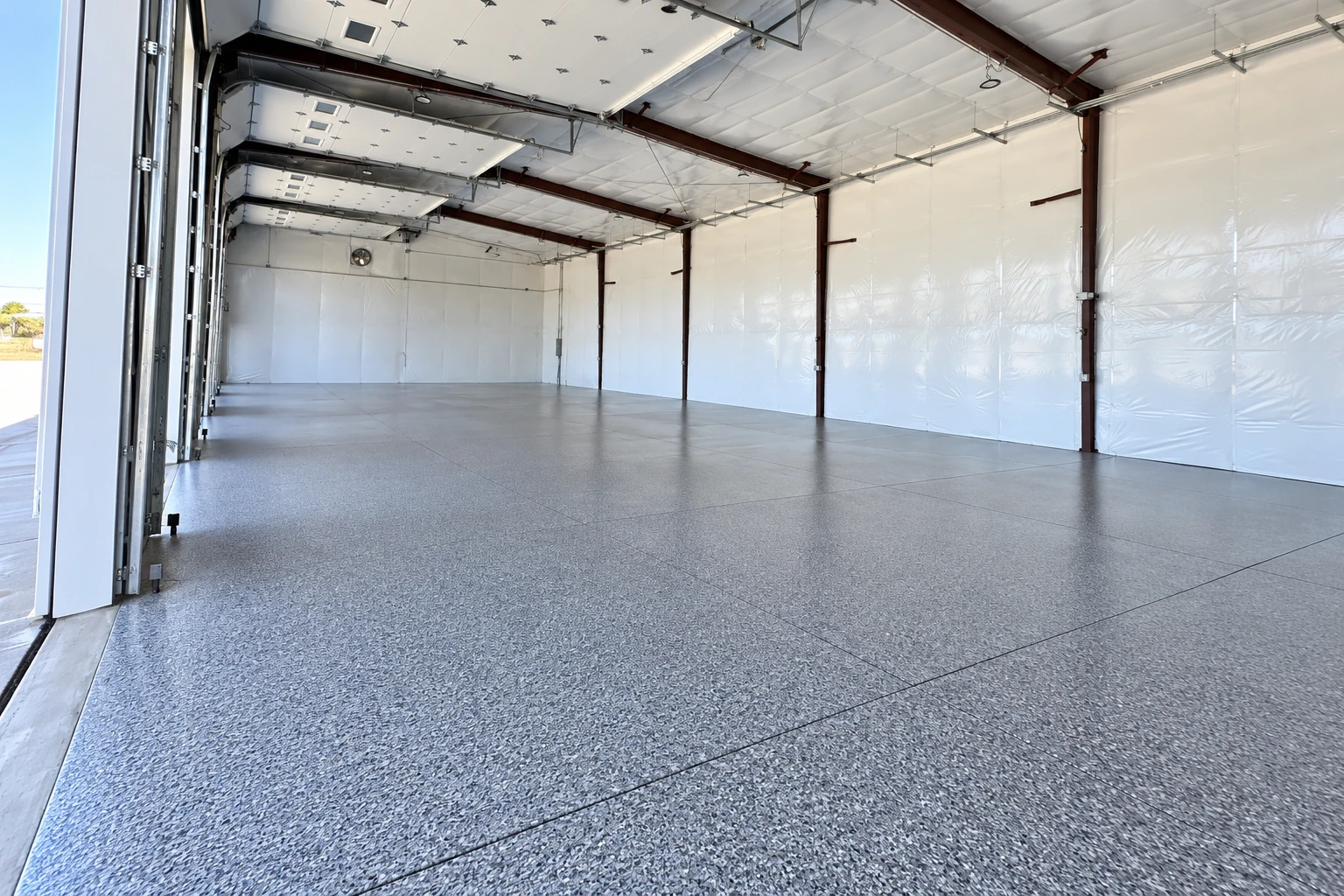
Self-leveling concrete is a layer we pour over your existing slab in Spring Valley so it spreads out flat, giving your new tile, plank or carpet an even base to sit on.
Most people call us after they've pulled up old flooring and found low spots, humps or cracks, or after a flooring installer told them the slab isn't flat enough. The price moves with the size of the room, how far the floor is out of level, how many cracks need repair and whether old flooring or glue has to come up first. The schedule mostly turns on what the crack check and moisture test show and how long the product needs to cure before flooring goes down, so I'll look at the floor myself and write your estimate on site. Before we start, we check with the office that covers your address, because some addresses here fall under a city and others under the county, whose Building Services Division issues building permits in the unincorporated areas. If they say a permit is needed, we'll walk you through it and take care of our part.
We're best known for taking our time on the prep, because nobody sees it once the new floor is down, but it decides how that floor holds up for you.
I'd rather tell you plainly what your slab can handle than sell you a fix that looks good for a season, so you'll hear about problems before we pour.
We protect the rooms around the work and clean up when we're done, so the only thing that's different when we leave is a flatter floor.
I start at the estimate by walking the floor and looking at each crack to see whether it's moving or just an old shrink crack, because cracks from movement need repair or they'll show through the new layer. We test the slab for moisture before we choose a product, since what's coming up through the concrete decides which one belongs on your floor. Then our crew clears and preps the surface, repairs the cracks that need it and pours the leveling layer so it spreads flat across the room, following the product maker's directions while it cures. When it's ready, your flooring goes down on a flat, solid base.
If there's old tile, vinyl, carpet or glue on the slab, our concrete floor stripping and removal work takes it up first so the new layer goes down on bare concrete. One maker's guide warns that grinding old glue off by machine can be hazardous because it may contain asbestos, and says to check with the glue's maker and the proper government agencies first. Another maker says its self-leveling underlayments are for indoor floors only, so for the concrete around a pool, look at our pool deck coatings and resurfacing instead.
Tile, plank and carpet all follow the dips in the slab under them, so leveling first lets the new floor sit flat instead of rocking or sagging over low spots.
Basement slabs often carry dips and old patches, and leveling them out gives you a floor you can actually use for a family room, a gym or storage.
Once old tile or carpet is gone, the concrete underneath usually shows glue lines, patches and uneven spots that a new floor would sit badly on.
Some shop and warehouse owners call us when an uneven floor makes carts roll or racks sit crooked, and leveling gives them a flatter base before any finish goes on.
We reply within one business day. Then I come out, look at your slab and its cracks, and write your estimate on site, free and with no pressure or obligation to book.
If you can, have the room's size in square feet, what flooring is on it now and any cracks or old glue you know about, so the visit goes quicker.
I look at every job myself and write the estimate, and our crew does the prep and leveling. Every job is backed by our satisfaction guarantee.
We're based in Spring Valley and work in many of the cities around it, like La Mesa, El Cajon and Lemon Grove. If you're not sure we cover your address, just ask.
Look through these sample floors to get a sense of the surfaces, flooring choices and room layouts we can talk through at your estimate.
Here are the things Spring Valley homeowners usually ask before they have a slab leveled for new flooring.
Across the US, installed leveling of a concrete floor with self-leveling compound usually costs about $4.50 to $7 per square foot. That's the going rate nationally, not our price. Your number moves with the room's size, how far the floor is out of level and how much crack repair or old flooring removal comes first, and I'll write it up after I see the slab.
They can. Repairing a crack lowers the chance it shows through the leveling layer but doesn't fully stop it, and one maker's guide says joints and cracks that are still moving carry up through the layer and the floor on top. If your slab is cracked, plan for some chance one returns, and I'll tell you plainly which cracks I'm watching.
Often the next day, if conditions allow. One maker's floor resurfacer can be walked on in 2 to 4 hours and take finished flooring in 24 hours, depending on conditions in the room. Other products differ, and the one we pick after testing your slab sets the real wait, so I'll give you its timing before we pour.
Because the moisture in your slab decides which underlayment will work on it. One maker's guide calls for testing concrete floors for vapor emission and relative humidity, which tells you how much moisture the slab gives off and holds, before choosing a product. If the reading comes back high, that changes what goes down, and I'll explain what it means for your floor.
In California, anyone who alters a building needs a state contractor's license once labor and materials reach $500 or more, going by an older state license board guide, and they need it before they bid. The board's flooring class covers preparing a surface and installing flooring other than ceramic tile, so ask which class a contractor holds. We're fully licensed and insured.
We answer the phone every day from early morning until 9 PM, so call (619) 648-8003 or send the form whenever it suits you.