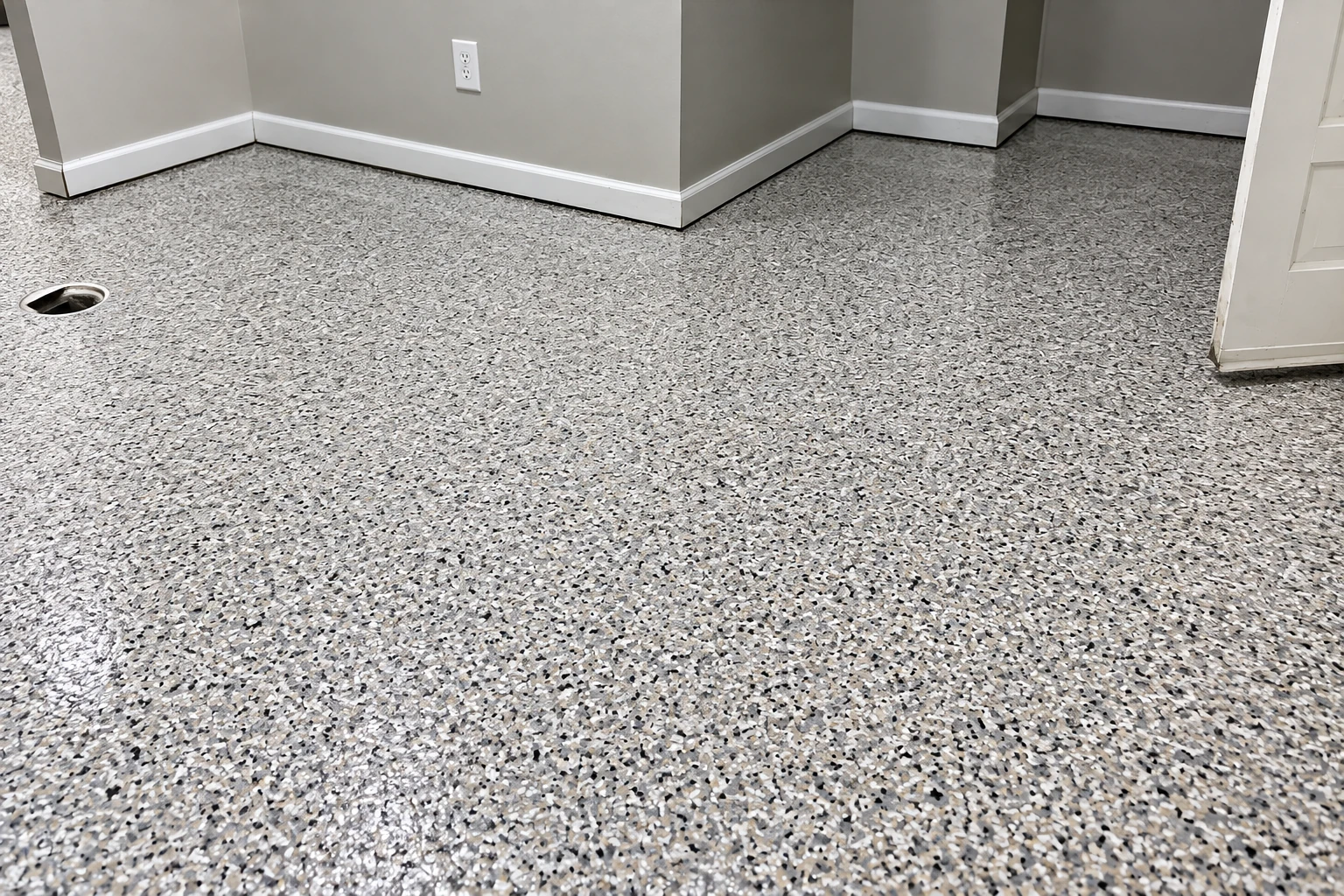
Epoxy Floor Coatings
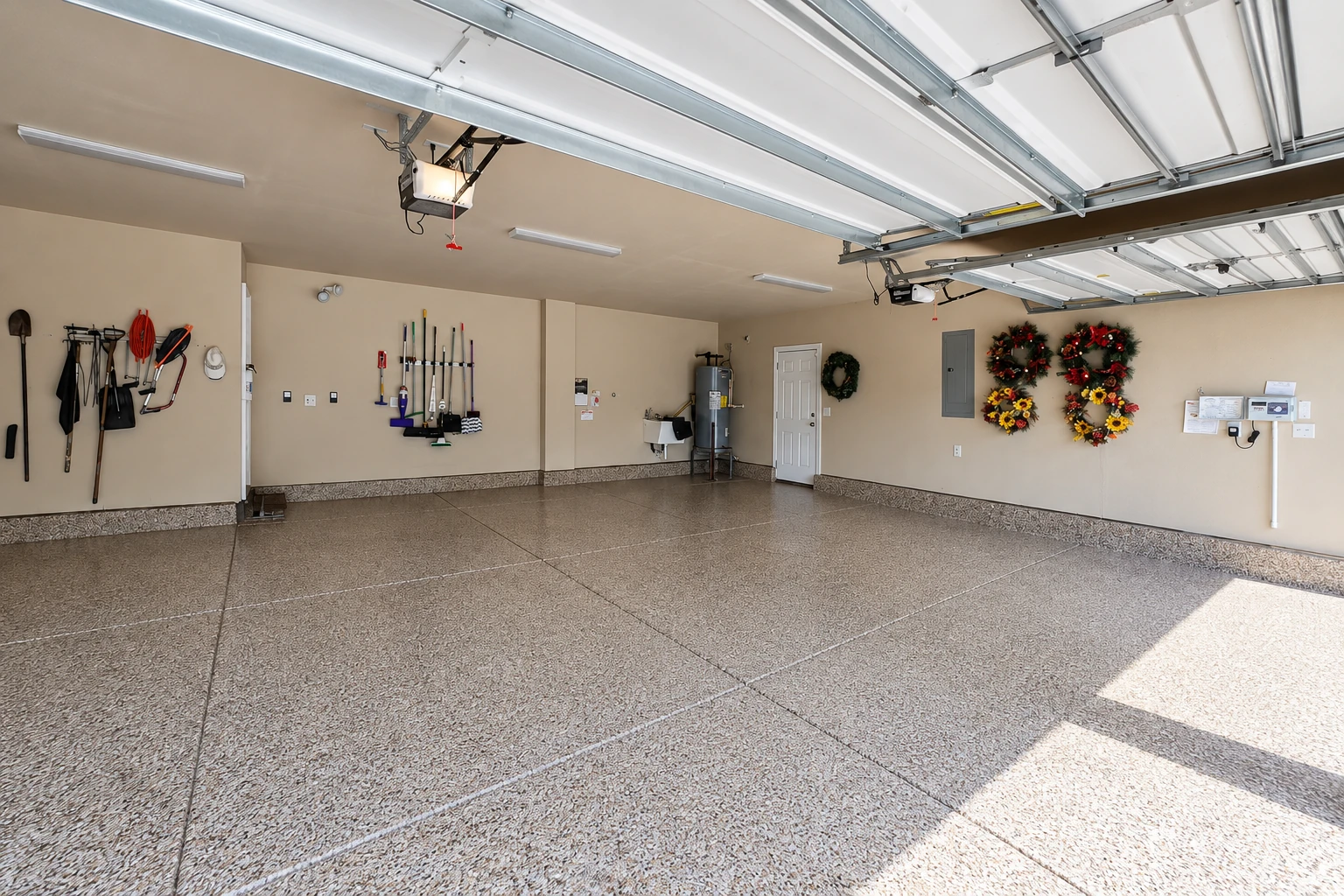
We grind the slab, fill cracks and chips, then lay down epoxy that stands up to tires, tools and spills on the garage and shop floors we see around La Mesa.
Bedrock Spring Valley Concrete Coatings is a flooring contractor based in Spring Valley that coats, polishes and repairs concrete floors in La Mesa, from garages and patios to pool decks, basements and shop floors.

La Mesa is mostly houses, with shops and small businesses along the busier roads, and plenty of the homes have been around long enough that the garage slab has seen oil drips, patch jobs and a coat or two of paint. We're a flooring contractor based in Spring Valley, CA, and the calls we get here look a lot like the ones from El Cajon and Santee. Most are garages, then patios, pool decks and the odd shop floor.
What moves the price is the slab itself. The number of cracks and chips to fill, whether old paint or coating has to come off, the size of the floor and the system you pick all change the number, and they set the schedule too, along with cure time and any permit the city asks for. I come out, look at the concrete and write the estimate, so you get a figure for your floor instead of a guess. On older slabs here, prep is usually most of the job, because a coating only holds as well as the concrete under it.
I come out to look at every job and write the estimate myself, and our crew does the prep and coating, so the person pricing your floor has actually seen the slab.
The city's Building Division handles permits and inspections for La Mesa homes and businesses. Before we start I check with them, and if a permit's needed we'll walk you through it and handle our part.
We're fully licensed and insured, our work is backed by our satisfaction guarantee, and we clean up so your property looks the way we found it, only with a better floor.
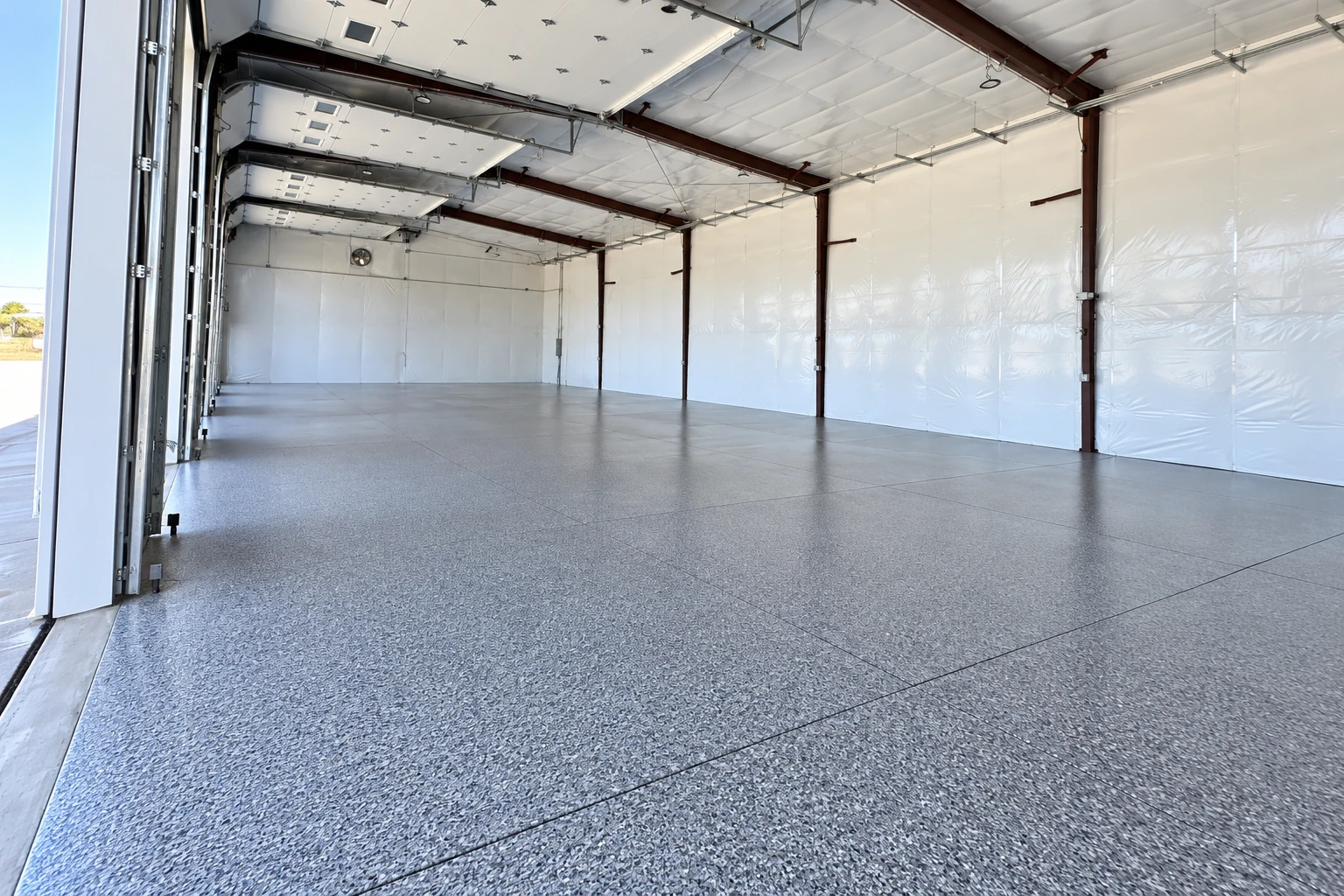
We grind the slab, fill cracks and chips, then lay down epoxy that stands up to tires, tools and spills on the garage and shop floors we see around La Mesa.
For shops, warehouses and small businesses, we prep the concrete properly and coat it for carts, forklifts and foot traffic, and we plan the work around when you can close the floor.
Older garages here often carry oil stains, patches and peeling paint, so we strip and grind first, then lay a coating that's easy to sweep and hose off.
A polyaspartic coating cures faster than standard epoxy and holds its color in sunlight, which suits garages left open to daylight. We'll tell you plainly if it fits your slab.
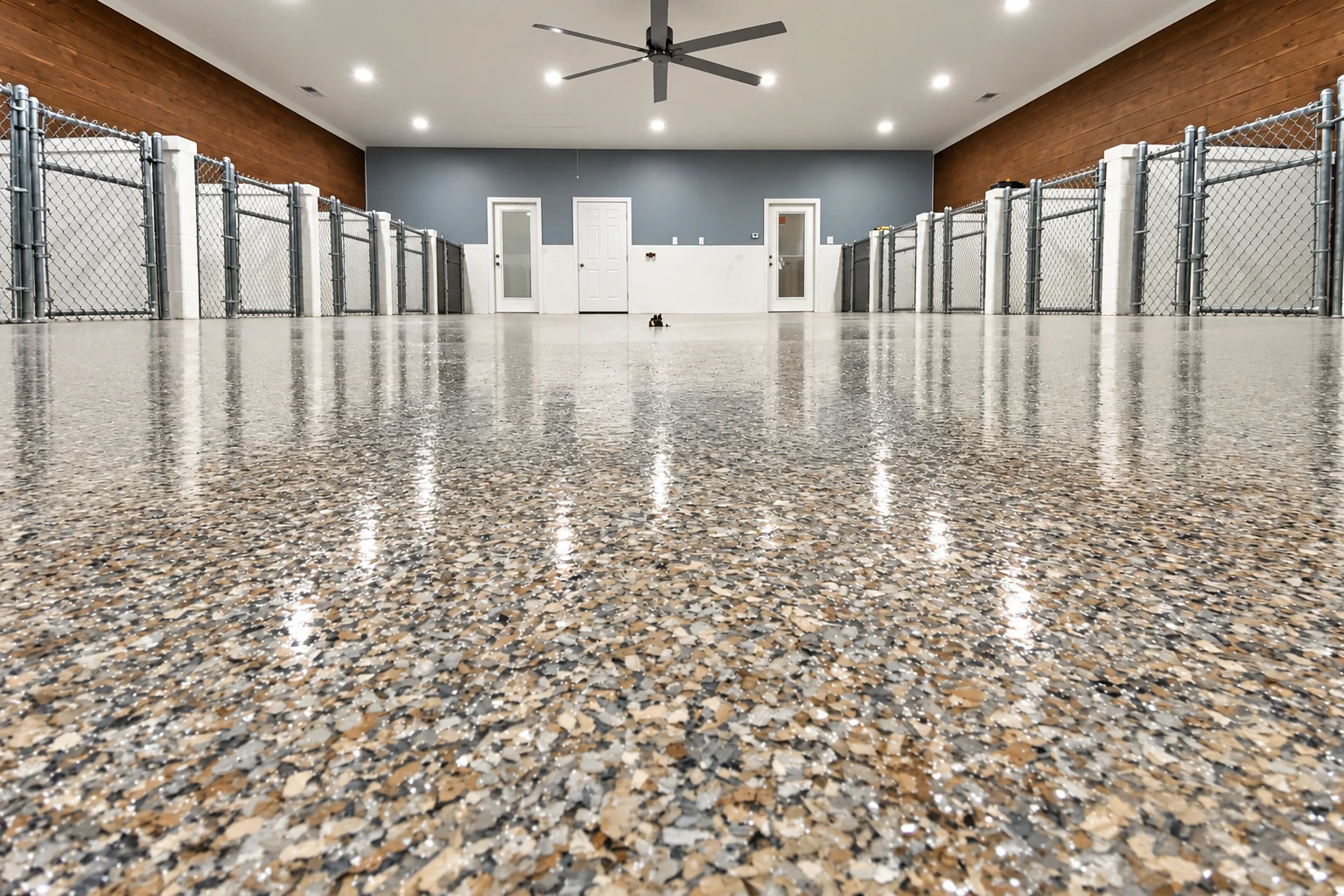
Metallic epoxy gives a garage, basement or showroom a swirled, glossy look, and because every pour moves a little differently, we go over sample colors with you before we start.
Urethane cement handles heat, hot water and heavy wear better than most coatings, so it's the floor we suggest for commercial kitchens and busy work areas.
If your slab is sound, we can grind and polish the concrete itself to a smooth shine, with no coating to peel, for living spaces, shops and showrooms.
Stain colors the concrete you already have, which works well on patios and interior slabs, and we seal it afterward so the color stays put longer.
Terrazzo sets chips of stone or glass into a binder that we grind and polish flat, giving entries and lobbies a hard-wearing floor with plenty of design choice.
Before we coat a basement or below-grade room, we test the slab for moisture, because water coming up through the concrete will lift a coating laid over it.
Grinding opens up the concrete so a coating can grip it, and it's the step I care most about, since nobody sees it once the floor is done.
A good sealer helps driveways, patios and garage floors shed water, oil and stains, and we clean the concrete well first so the sealer soaks in evenly.
When a patio or walkway is worn, pitted or stained but still solid underneath, an overlay gives it a fresh surface without tearing out and pouring new concrete.
Self-leveling compound fills dips and low spots so the floor comes out flat, which matters before tile, wood or a coating goes down over an uneven older slab.
Pool decks take bare feet, chlorine and splashing, so we repair cracks and resurface or coat the deck with a textured finish that's less slick when wet.
Old paint, tired epoxy, glue and tile residue have to come off before anything new goes down, so we grind or strip it and haul the waste away.
Send the form or call, and we'll reply within one business day to set a time. I'll come look at the slab and write your free estimate, with no pressure and no obligation.
Estimates are free and done on site, because I can't price a floor I haven't seen, and the cracks and old coatings shape the work as much as the size does.
We answer every call and message within one business day, so you're not left wondering whether anyone got your request.
There's no obligation. If your slab can't handle the coating you wanted, I'll tell you plainly and suggest what will hold up, and then you decide in your own time.
These are the questions La Mesa homeowners usually have about permits and inspections before a floor project gets started.
The city's guidance doesn't settle it either way, so I check with the city before we start. Its permit guide for homeowners says painting and similar finish work need no construction permit, while all new construction needs one and repairs or replacements, like new windows, often do. Floor coatings aren't named on that list, which is why we ask about your job.
Either one. The city lets contractors licensed by the State of California, or their agents, obtain permits, and homeowners can pull their own. Whoever pulls it, the property owner is responsible for calling the city for inspections at set points in the job, even when the contractor is the one who makes the call.
Yes. With an account on the city's system, you can apply for a permit, submit plans, get permit invoices, schedule inspections and check where your permit stands, all online. If you'd rather talk it through with someone, call the Building Division at 619.667.1176 or stop by the permit counter at City Hall.
A permit expires if work hasn't started, or the first city progress inspection hasn't happened, within one calendar year of its date. Once work starts, it also expires after six months with no inspections, or when the work runs past three calendar years from the day it was issued. So once a permit's issued, it pays to keep the job and its inspections moving.
We're based in Spring Valley and work in many of the cities around it, including the ones listed here. If you're not sure we cover your address, just ask.
Call (619) 648-8003 or send the form with a few lines about your floor and any permit questions, so I show up knowing what you're after.